

Readiness
What can the market, the public sector, and the community actually support now?
Field notes / Working ideas
Observations on how cities grow, places perform, and partnerships move.
Beyond the Skyline shares practical points of view from the intersection of economic development, real estate, culture, and commerce. These are ideas for people making decisions, building partnerships, and moving opportunities from possibility to action.
Current thinking
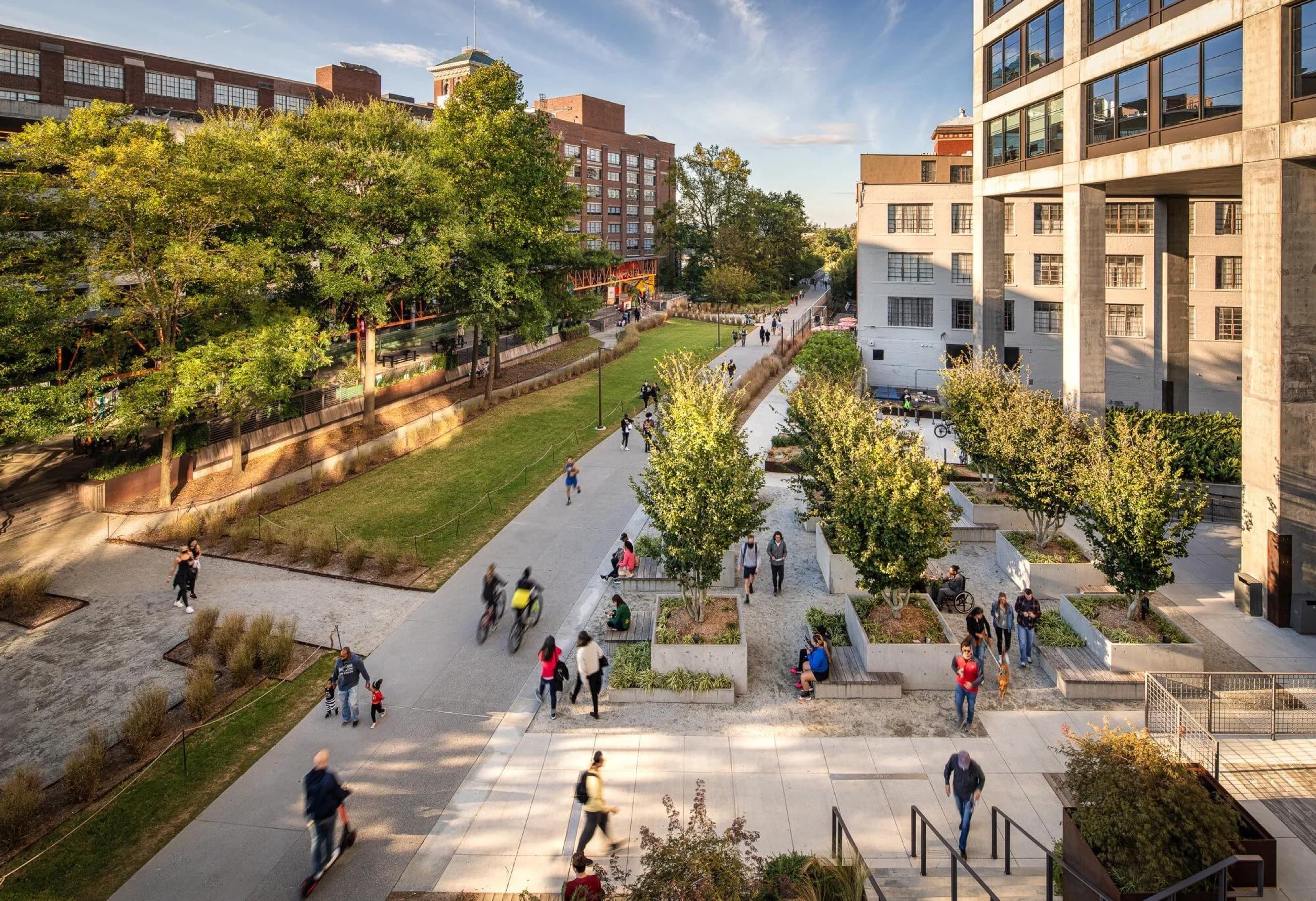
Projects often begin with a site, a program, or a source of capital. Lasting value begins with a sharper question: what will make this place useful on an ordinary day?
The answer usually lives between the plan and the street. It depends on the right operators, aligned partners, accessible resources, and a strategy that can survive beyond launch day.
The useful questions
What can the market, the public sector, and the community actually support now?
Who keeps the place active on an ordinary Tuesday, not only on opening weekend?
Which partners control the capital, approvals, space, trust, or momentum?
What remains useful when the grant closes, the ribbon is cut, or leadership changes?
From the field
Short perspectives for developers, public leaders, business owners, and organizations working through real opportunities.

Place strategy
The strongest places know how they will work after the launch. Tenant mix, programming, access, partnerships, and daily management are part of the strategy, not details to solve later.

Economic development
Capital can accelerate an opportunity, but it cannot replace a clear market, capable partners, or a practical path through approvals and execution.
Commerce
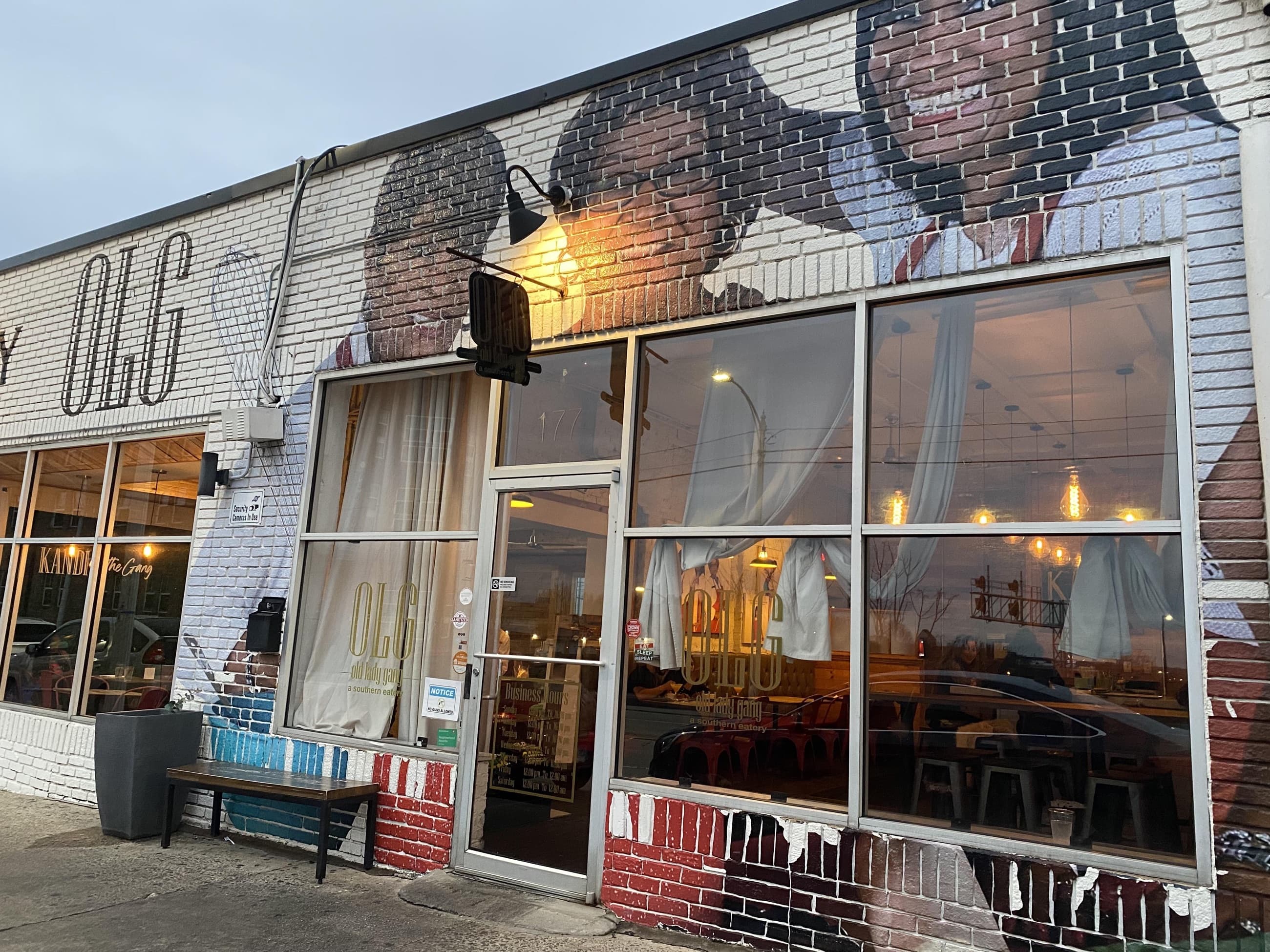
Local operators create identity, activity, and trust. Supporting them requires more than affordable space; it requires visibility, technical support, and a place in the development strategy.
Community
Useful engagement does more than confirm a plan. It reveals operating realities, surfaces overlooked partners, and changes priorities before decisions become expensive to reverse.

Partnerships
Public-private work moves when every partner understands the shared outcome, their role, and the value they are responsible for creating.
A question worth examining?
We help turn incomplete information and competing priorities into a useful next move.